
DaveInRI
Active member
- Joined
- Aug 5, 2024
- Messages
- 210
- Reaction score
- 33
- Location
- Narragansett Bay
- C Dory Year
- 2005
- C Dory Model
- 22 Cruiser
- Hull Identification Number
- CDO22275K405
- Vessel Name
- Once
As was recommended here, I checked out the anchor test videos by YouTuber Steve Goodwin. His channel, named after his boat, is SV Panope:
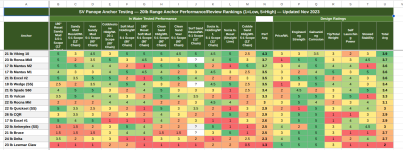
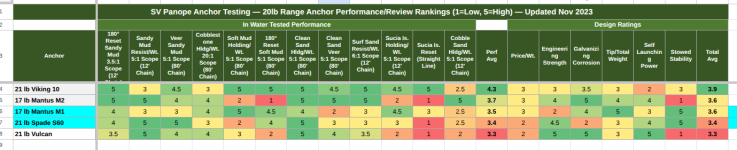
I was interested in the 20lb anchor tests (doubtful I'd get one that big, but it was closer to my world than the 45lb tests), and wanted to paste-in his summary table updated most recently in 2023.
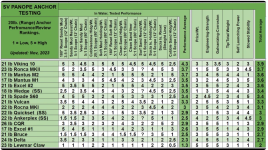
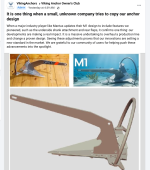
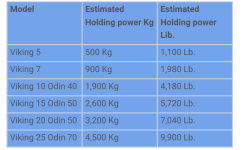
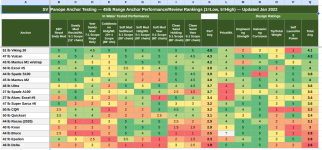
After that, more recently, was a test of the Viking, Odin, and Ultra anchors, in which he says what many knew, that the Ultra (well over $1000) was the best non-rollbar anchor (note, the Vulcan by Rocna in the chart above is also a non-rollbar) and that the Odin, while good at some things, had issue with sandy mud and was not as good. He did not update/post this table in that video.
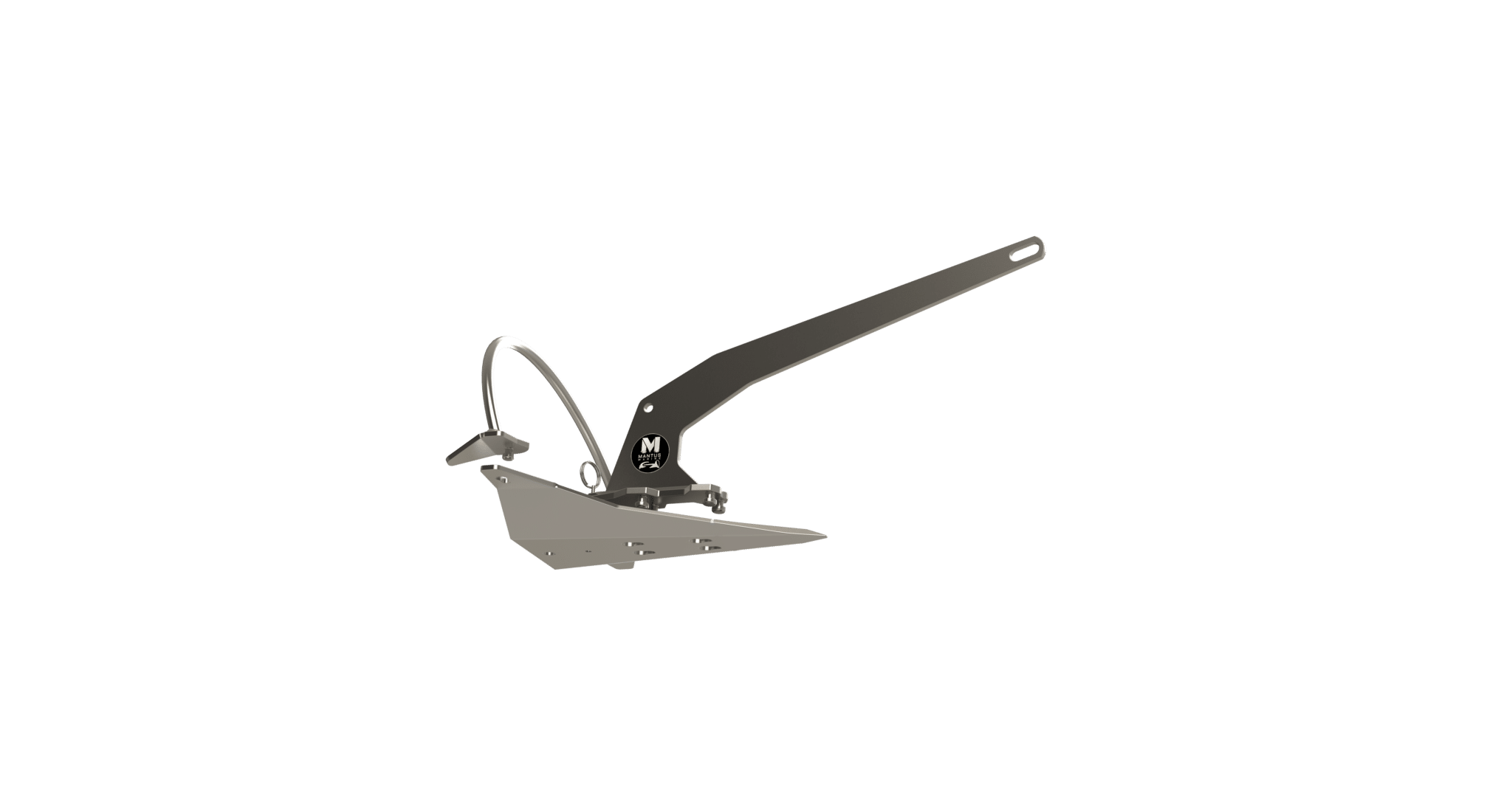
He also mentioned the new "performance" line by Mantus, which has scalloping on the shank for weight savings (getting a higher percent into the tip), and was cautiously optimistic that those versions, since gone to production, would have been notable improvements, but he has not yet tested them. He said if he gets some, those will be his next anchor tests.
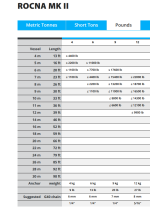
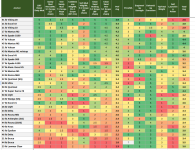
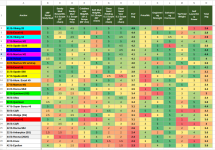
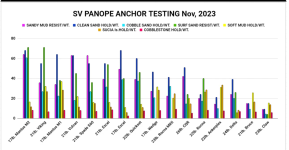
In his second chart, which is organized by overall descending performance across all seven of his sea beds, he said a good measure is look at the 20 holding factor line and find anchors that are at or above that line in six of the seabeds. He said to rule out the red bars, the cobblestone-- no anchor does well there-- and you have a good overall winner. He said they were all rollbar type anchors: Viking, Mantus M1, Rocna MK2, and Wedge. He did say note the MK2 ("Mark 2") just barely gets past that line. He said Viking, Mantus, and now Wedge, were your best all around performers.
BUT, my strong recommendation to anyone like me looking at these videos and reading reviews etc., is to verify with charts/books what the most common anchor bed conditions you will encounter where you plan to boat. If you're in the Chesapeake, that's different than Florida, which is different than Maine, than Alaska, etc.. Also, verify the anchors against conditions you might encounter, such as big tidal reversals or high current tidal rivers etc, exposed areas with changing winds, etc.-- you want to stay put and sleep well.
It's like Consumer Reports ratings-- the highest performing 1-2-3 product might be the worst one for you. Eg, a Mantus M2 above was the #3 all arounder, affordable etc., but then is a 1 out of 5 for 180 degree reset in soft mud. If that's where you live, that would be perhaps the worst anchor for you.
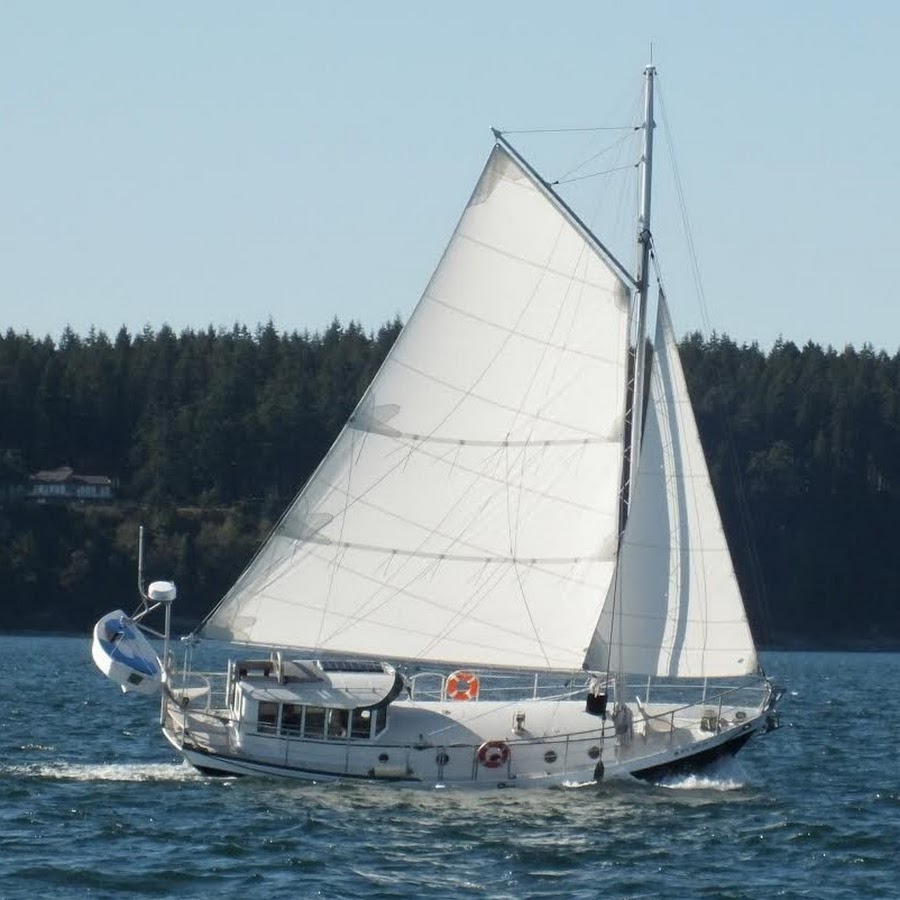
Lastly, because I don't want to start a full thread with it, this guy Steve (Panope) put up a video adding a small mizzen sail/mast to his sailboat that was hunting/sailing/yawing at anchor, and has a time lapse video of it with/without (before/after) and the results were fantastic! I wonder if there is room for a mini one mounted to the outboard/transom that would have the same effect.
The two sources for the anchor chart and other comments:

I was interested in the 20lb anchor tests (doubtful I'd get one that big, but it was closer to my world than the 45lb tests), and wanted to paste-in his summary table updated most recently in 2023.
After that, more recently, was a test of the Viking, Odin, and Ultra anchors, in which he says what many knew, that the Ultra (well over $1000) was the best non-rollbar anchor (note, the Vulcan by Rocna in the chart above is also a non-rollbar) and that the Odin, while good at some things, had issue with sandy mud and was not as good. He did not update/post this table in that video.
He also mentioned the new "performance" line by Mantus, which has scalloping on the shank for weight savings (getting a higher percent into the tip), and was cautiously optimistic that those versions, since gone to production, would have been notable improvements, but he has not yet tested them. He said if he gets some, those will be his next anchor tests.
In his second chart, which is organized by overall descending performance across all seven of his sea beds, he said a good measure is look at the 20 holding factor line and find anchors that are at or above that line in six of the seabeds. He said to rule out the red bars, the cobblestone-- no anchor does well there-- and you have a good overall winner. He said they were all rollbar type anchors: Viking, Mantus M1, Rocna MK2, and Wedge. He did say note the MK2 ("Mark 2") just barely gets past that line. He said Viking, Mantus, and now Wedge, were your best all around performers.
BUT, my strong recommendation to anyone like me looking at these videos and reading reviews etc., is to verify with charts/books what the most common anchor bed conditions you will encounter where you plan to boat. If you're in the Chesapeake, that's different than Florida, which is different than Maine, than Alaska, etc.. Also, verify the anchors against conditions you might encounter, such as big tidal reversals or high current tidal rivers etc, exposed areas with changing winds, etc.-- you want to stay put and sleep well.
It's like Consumer Reports ratings-- the highest performing 1-2-3 product might be the worst one for you. Eg, a Mantus M2 above was the #3 all arounder, affordable etc., but then is a 1 out of 5 for 180 degree reset in soft mud. If that's where you live, that would be perhaps the worst anchor for you.
Lastly, because I don't want to start a full thread with it, this guy Steve (Panope) put up a video adding a small mizzen sail/mast to his sailboat that was hunting/sailing/yawing at anchor, and has a time lapse video of it with/without (before/after) and the results were fantastic! I wonder if there is room for a mini one mounted to the outboard/transom that would have the same effect.
The two sources for the anchor chart and other comments:
Last edited: